

Nose Surgery
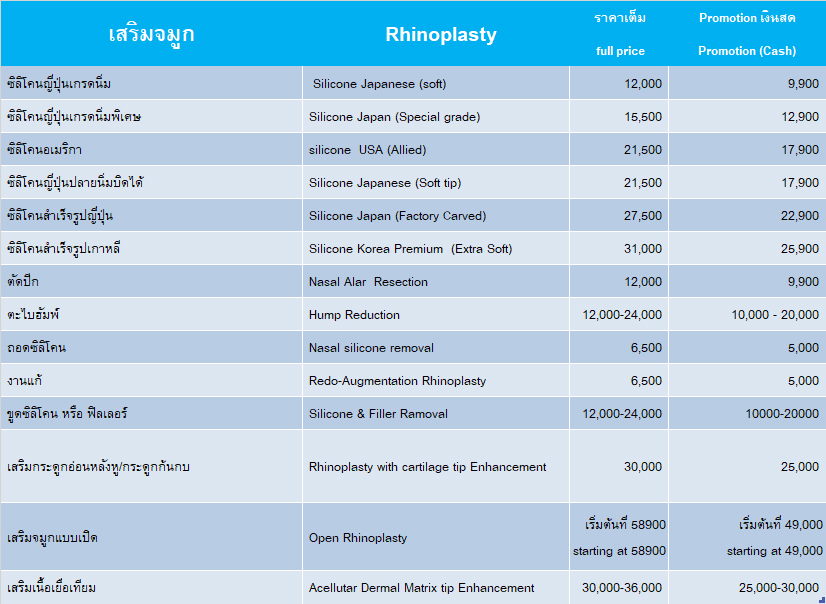
Nose augmentation and alar base reduction
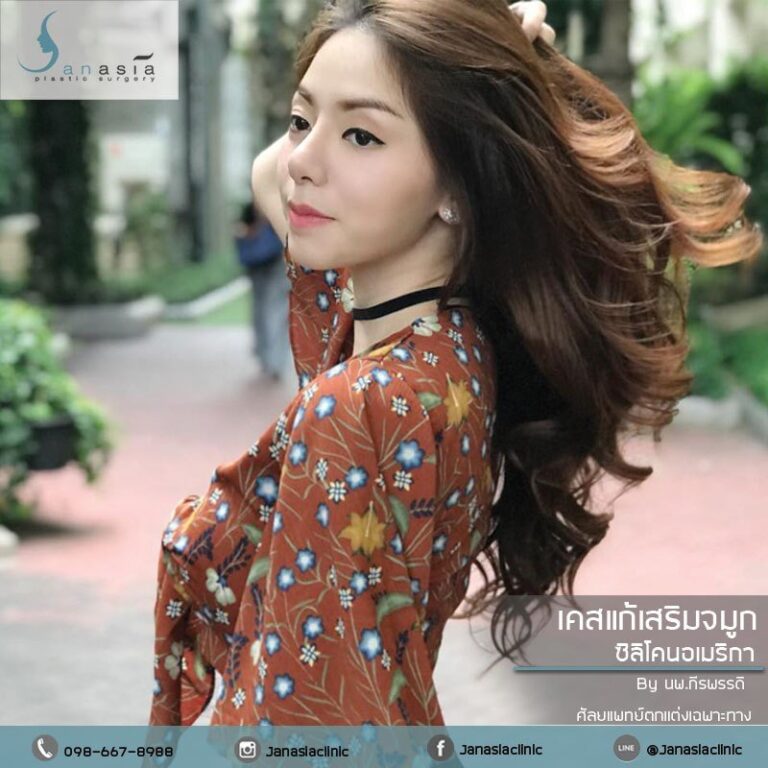
Nose augmentation for a high, beautiful, and safe look
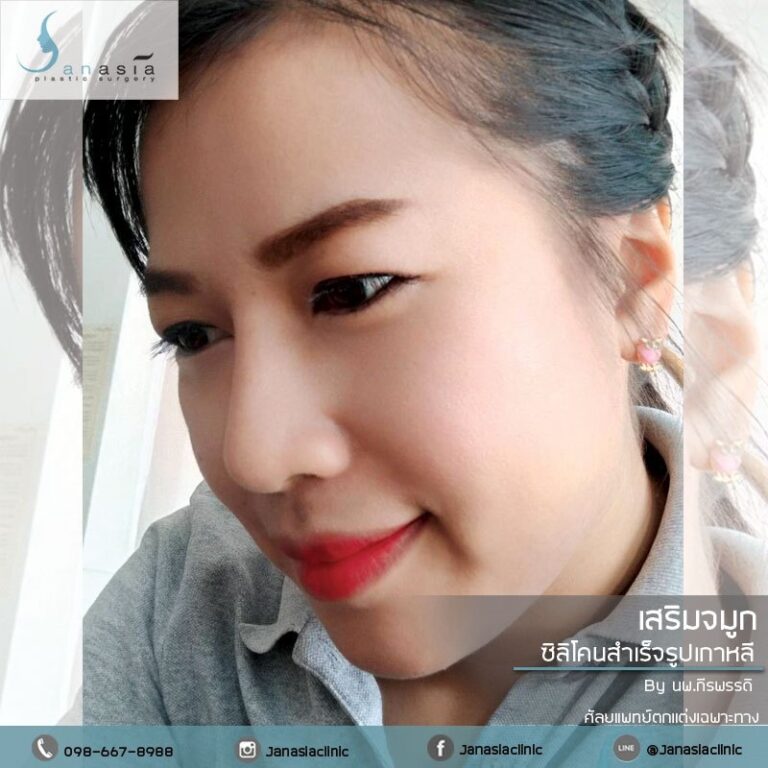
If the nose bridge is not high, it will not look attractive, as the nose is a part that affects the overall appearance of your face, making it lack interest and dimension. This has led to the popularity of nose augmentation in various styles, such as the Hollywood celebrity style, natural high nose, Korean style, or looking beautiful like Thai celebrities. Nose augmentation is very popular among both women and men. Many people who have undergone the procedure have experienced a significant improvement in their lives, as their appearance changes dramatically after the surgery, making them look more beautiful or handsome.
In order for a doctor to create a beautiful, high, and aesthetically pleasing nose for a person, they must consider various features of the face during the nose augmentation procedure, such as the forehead, eyebrows, eyes, cheeks, and lips. These components determine the shape, height, and width of the nose and its tip, as well as the thickness and elasticity of the tissue. Therefore, nose augmentation is akin to an art form that requires the expertise and skill of a specialized doctor.
In addition to being mindful of the materials used for augmentation, the beauty of the nose also significantly depends on the skill and knowledge of the doctor regarding the understanding of aesthetically pleasing facial features and the patient’s desires. Therefore, before undergoing nose augmentation, you should request to see examples of the doctor’s previous work to ensure that you will have a beautiful nose that lasts for a long time.
Details
Preparation before nose augmentation, nose surgery, nose plastic surgery
1. Self-health checks should be conducted to assess whether there are any underlying diseases that have not yet shown symptoms, especially in patients who are at risk, such as those who are older or have a family history of diseases that could occur, such as hypertension, diabetes, heart disease, or disorders related to blood coagulation, which may lead to excessive bleeding or difficulty in stopping bleeding.
2. Avoid smoking for at least 2 weeks before and after surgery, as the substances in cigarettes can damage the cells responsible for healing wounds and reduce blood flow to the surgical area. This can lead to inadequate blood supply to the skin at the surgical site, resulting in slower healing and increased risk of infection.
3. Avoid alcoholic beverages for 1 week before and after surgery.
4. Avoid pain relievers and anti-inflammatory medications before surgery, such as Aspirin or Ibuprofen, to reduce the risk of bruising from blood accumulation after the surgery. If pain relief is necessary, it is recommended to use only Paracetamol.
5. It is advisable to avoid all types of vitamins and supplements, as these can lead to prolonged bleeding.
6. Avoid wearing makeup and ensure that the face and nasal cavities are kept clean.
Post-nose augmentation care
1. First 48 hours: Apply a cold compress with a gel pack horizontally over the eyes and bridge of the nose to reduce swelling.
Apply a warm compress for 3-7 days, ensuring that it is not too hot.
On the 7th or 10th day: Remove the flesh-colored tape from the bridge of the nose and gently peel off the white tape and gauze covering the wound. Clean the inside of the nostrils (if the nostril trimming service was performed) and the area around both nostrils using a saline-soaked cotton swab from the wound cleaning kit, and apply ointment to the wound with a cotton swab. Be careful not to let the wound get wet.
Days 2 – 6: Clean the wound and be careful not to let it get wet.
On day 7: Come in for a post-operative check-up and suture removal (suture removal is only for nostril trimming).
On days 15 and 30: Come in for a post-surgery check-up for the surgeon to evaluate your condition.
After 3 months: Come in for a post-surgery check-up for the surgeon to evaluate your condition.
2. Avoid smoking for at least 2 weeks after surgery to reduce the risk of infection and prolonged swelling.
3. Avoid alcohol for at least 1 week to reduce the risk of infection and prolonged swelling.
4. Take the medication as prescribed by the doctor.
5. You should get enough rest for at least 8 hours. Sleeping with your head elevated on a pillow can help reduce swelling.
6. Avoid intense exercise for 1 month.
Gallery





Surgery
Menu